
What is a naming ceremony and do you need one?
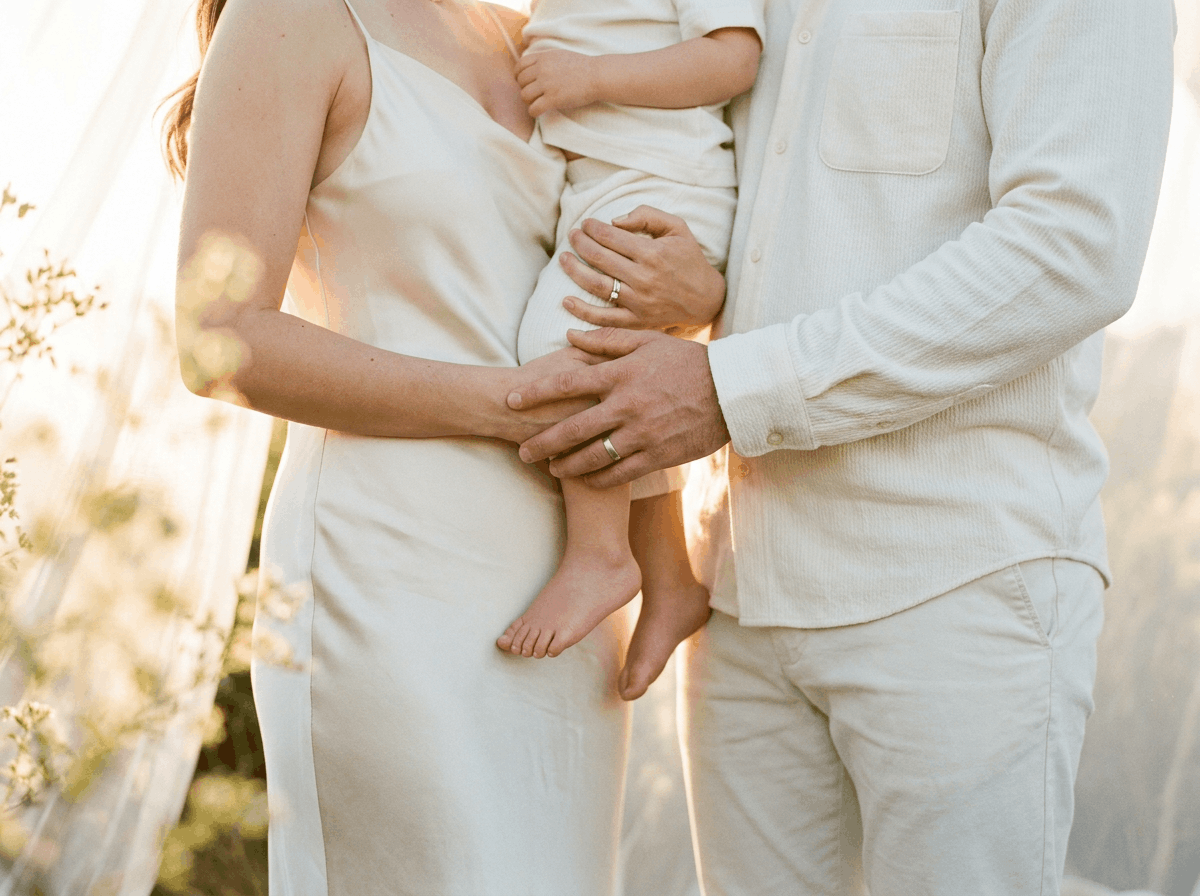
When people ask me what a naming ceremony is, I usually say it's a christening without the religious element, and a celebration without the bureaucracy. It's simply a moment where a family gathers to formally welcome a child and mark the occasion in a way that means something.
What actually happens?
A naming ceremony typically involves the formal announcement of the child's name, an acknowledgement of the family surrounding them, and often the introduction of guide parents or godparents. Beyond that, the structure is entirely up to you.
Some families include readings, symbolic gestures, or family rituals. Others keep it simple and heartfelt. I write every ceremony from scratch, so it reflects exactly who your family is.
Do you need one?
No. There's no legal requirement and no social obligation. Some families feel strongly that they want a formal occasion to mark the arrival of their child. Others are happy with a quiet celebration at home. Both are completely fine.
What a naming ceremony does give you is a deliberate moment. A gathering of people who love your child. A ceremony that says: this person matters, and we wanted to mark their arrival in the world properly.
When should you have one?
Any time in the first year or two is common, though there's no rule. Some families wait until they feel settled, or until extended family can all be in the same place. I've written ceremonies for very young babies and for children who are old enough to remember their day.
Who can be a guide parent?
Anyone you choose. Guide parents are the secular equivalent of godparents: people you're asking to play a meaningful role in your child's life. The ceremony can include a formal commitment from them, or simply an acknowledgement. We'll work out what feels right.
If you're thinking about a naming ceremony on the Central Coast and want to talk through what it might look like, I'd love to hear from you.